By Andrew R. Nolfo
Digital Editor
Did you hear the good news? Something that hasn’t been seen in over 100 years is finally glowing again in England.
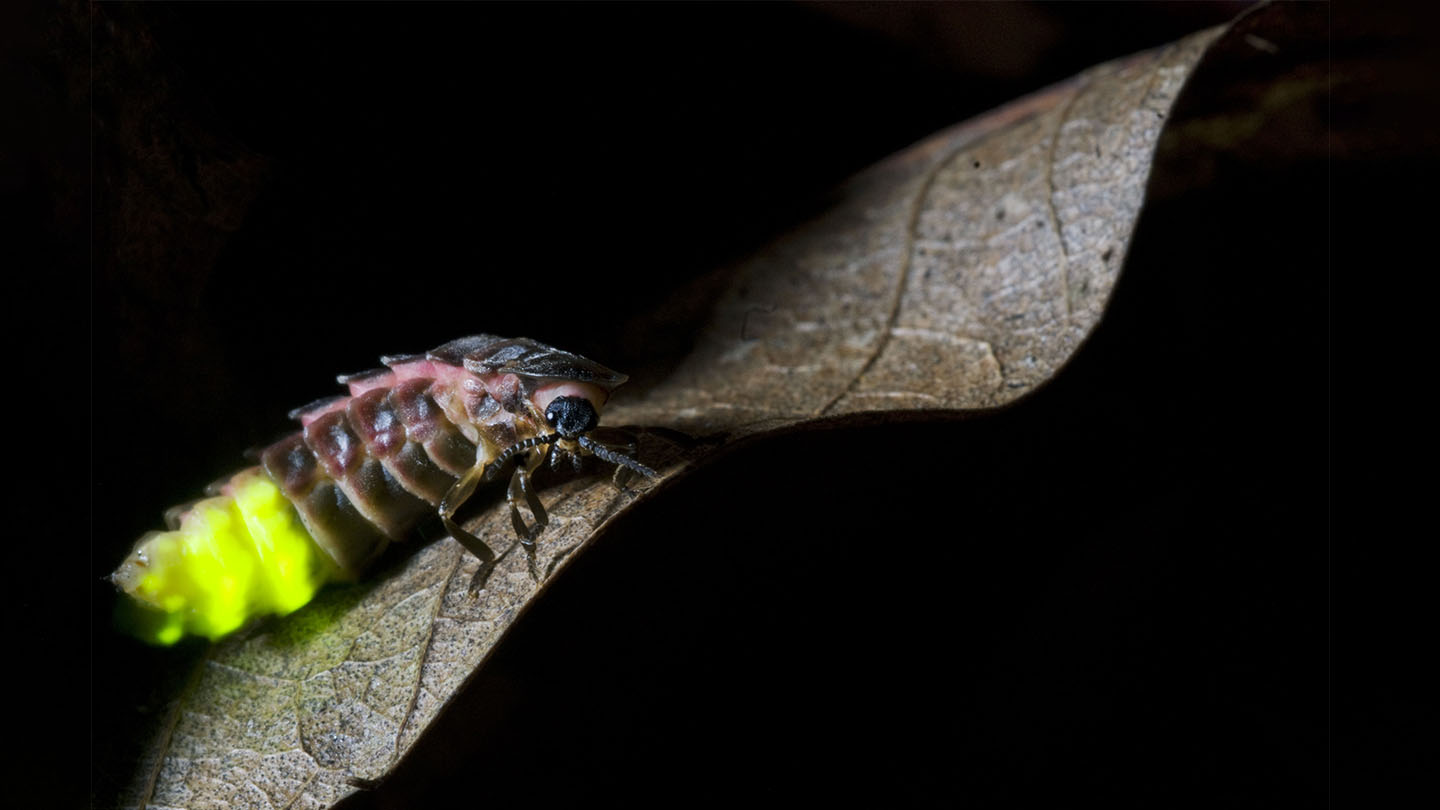
As of September 2026, at Nosterfield Nature Reserve in North Yorkshire, endangered glowworms have returned after more than a century away. For animal lovers, conservationists, and anyone who enjoys seeing nature make a comeback, this is a pretty amazing sight. This may not seem like a huge deal, but glowworms are a magical animal.
After all, this return didn’t happen by accident. It took years of work from independent ecologist Pete Cooper and a group of volunteers known as the “glow-getters.”
The project began by carefully collecting a small number of glowworms from an authorized local site and breeding them in captivity. Cooper eventually raised hundreds of glowworm larvae in a garden shed in Bristol before they were transported to Nosterfield. The first larvae were released at the nature reserve in 2024, but glowworms don’t exactly work on our schedule. They take about two years to reach adulthood, meaning the project’s researchers wouldn’t know until this year if their efforts had worked.
Now, the wait is over.
Over the course of several weeks this past summer, volunteers with the Lower Ure Conservation Trust spotted as many as 12 glowing female glowworms at Nosterfield. While 12 might not sound like a huge number, it is an important sign that the reintroduction is working. The glowworms appear to have survived, grown into adults, and completed their life cycle at the reserve. For Cooper and the volunteers, seeing those little lights appear was more than just a cool sight; it was proof that years of patience and work could actually make a difference. After spending years figuring out how to breed and reintroduce glowworms, seeing the females glowing in the reserve was a major relief.
The glowworms also have quite a bit of history at Nosterfield. More than a century ago, they were common enough in the area to be written about by local observers. Over time, however, quarrying, development, intensive farming, artificial lighting, and changes to grassland habitats caused glowworms to disappear from the area and decline throughout Britain.
Fortunately, Nosterfield has been changing too. Since 1997, the Lower Ure Conservation Trust has worked to restore former quarry land into wetlands and grasslands that can support a variety of wildlife. The reserve is now once again providing the kind of habitat that glowworms need to survive. Now that we know that they are coming back, the fun part is here: helping out and spreading the word.
From us here at the Vol State Pioneer Press Student Newspaper, we report the news, and these are the Small Good Things.




Be First to Comment