Last updated on April 22, 2026
By Andrew R. Nolfo
Staff Writer
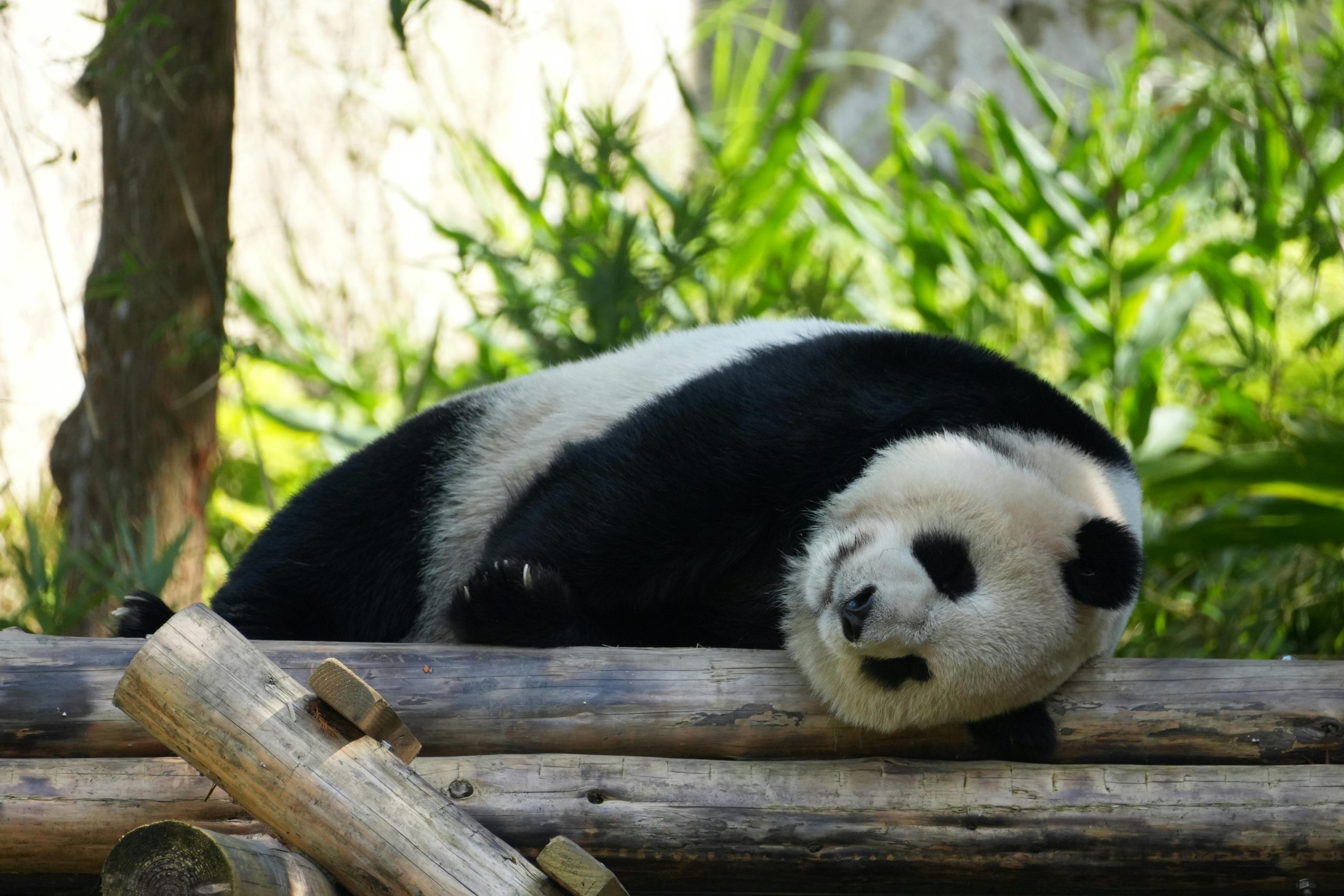
Did you hear the good news? Your favorite big, fuzzy, black-and-white animal is no longer endangered. As of April 1, 2026, giant pandas have officially been upgraded from endangered to vulnerable for the first time in about 40 years (since 1985). For animal lovers and people who simply want to see wildlife thrive, this is a genuinely amazing moment.
This change didn’t happen by accident or luck. It is the result of decades of careful planning, persistence, and global cooperation. One of the biggest factors has been China’s creation of over 60 panda reserves. These protected areas preserve bamboo forests, prevent habitat destruction, and give pandas a safe place to live and reproduce. Alongside that, stricter anti-poaching laws and successful captive breeding programs have helped boost panda numbers. Altogether, these efforts have led to about a 17% population increase over the past decade just enough to justify the status change.
It’s also worth mentioning something people often misunderstand: pandas aren’t dangerous animals. Despite being bears, they are known for their calm, gentle nature. They spend most of their time eating bamboo, lounging, and conserving energy rather than hunting or acting aggressively. While they can defend themselves if threatened, pandas are far more interested in a quiet life than causing harm. That peaceful personality is part of why so many people around the world feel connected to them.
That said, pandas are not completely “safe.” They are still considered a vulnerable, conservation-reliant species, which means they need ongoing human support to survive. Habitat loss, climate change, and limited food sources are still real challenges. Without continued protection, their progress could easily be reversed.
The good news is that helping doesn’t require anything huge or complicated. Organizations like the World Wildlife Fund (WWF) continue to support panda conservation, and people can contribute by learning more, donating, or even symbolically adopting a panda. But one of the most powerful tools is surprisingly simple: spreading awareness. When one person tells another, and that person tells a few more, it creates a ripple effect that keeps conservation efforts alive.
In the grand scheme of the world’s problems, saving pandas might seem like a small thing. But that’s exactly what makes it meaningful. It’s proof that steady effort, cooperation, and care can lead to real, positive change. And sometimes, small, good things are the ones that remind us that progress is still possible.
From us here at the Vol State Pioneer Press Student Newspaper, we report the news, and these are the Small Good Things.






Be First to Comment